A group of faculty members sitting and watching a presentation.

Callen Center for Engaged Teaching and Learning

Callen Center for Engaged Teaching & Learning

Our Mission

The Callen Center for Engaged Teaching & Learning is dedicated to fostering excellence in education at USCA. We empower faculty by promoting, supporting, and enhancing effective teaching and learning practices that elevate student success.

Driving Educational Innovation

While continuing to meet traditional instructional needs, the Callen Center serves as a catalyst for educational transformation. We guide faculty in exploring, developing, and implementing innovative teaching methods that evolve alongside emerging pedagogical theories, best practices, and advancing technologies—ensuring that learning remains dynamic, impactful, and forward-thinking.

Faculty News

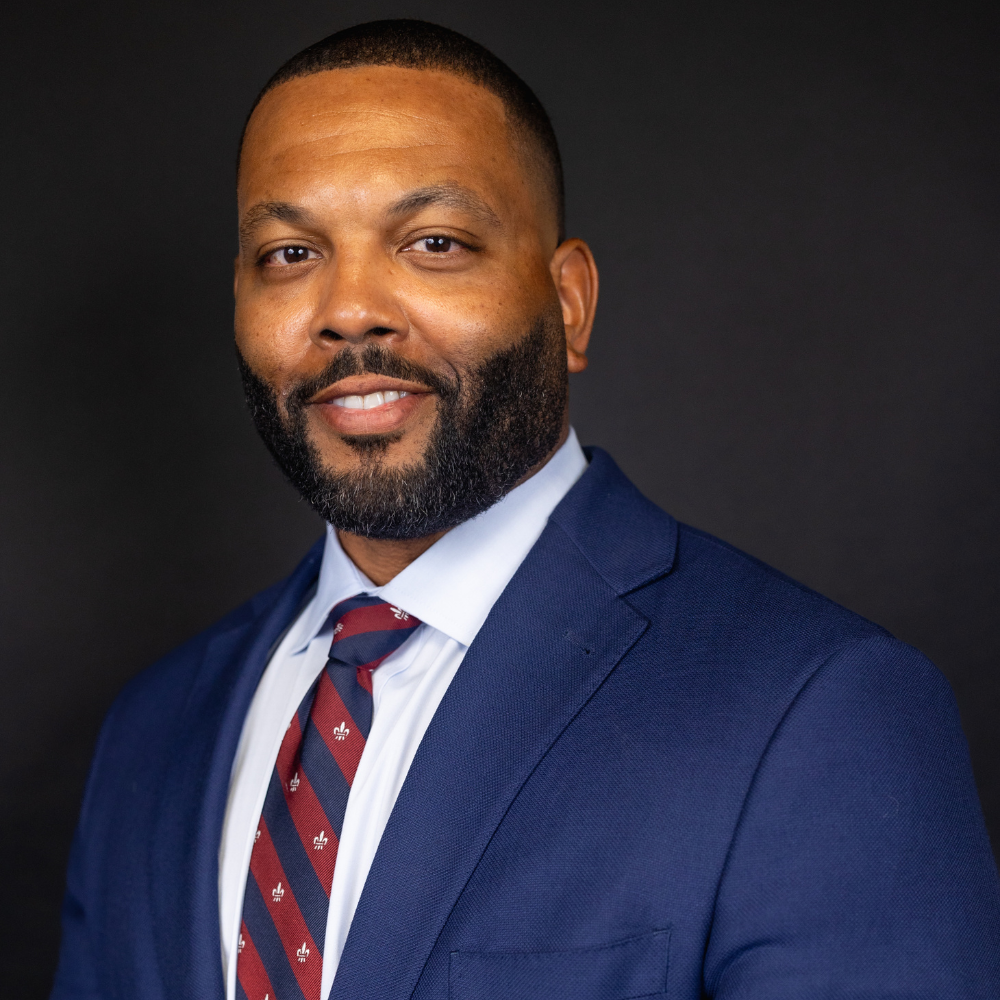
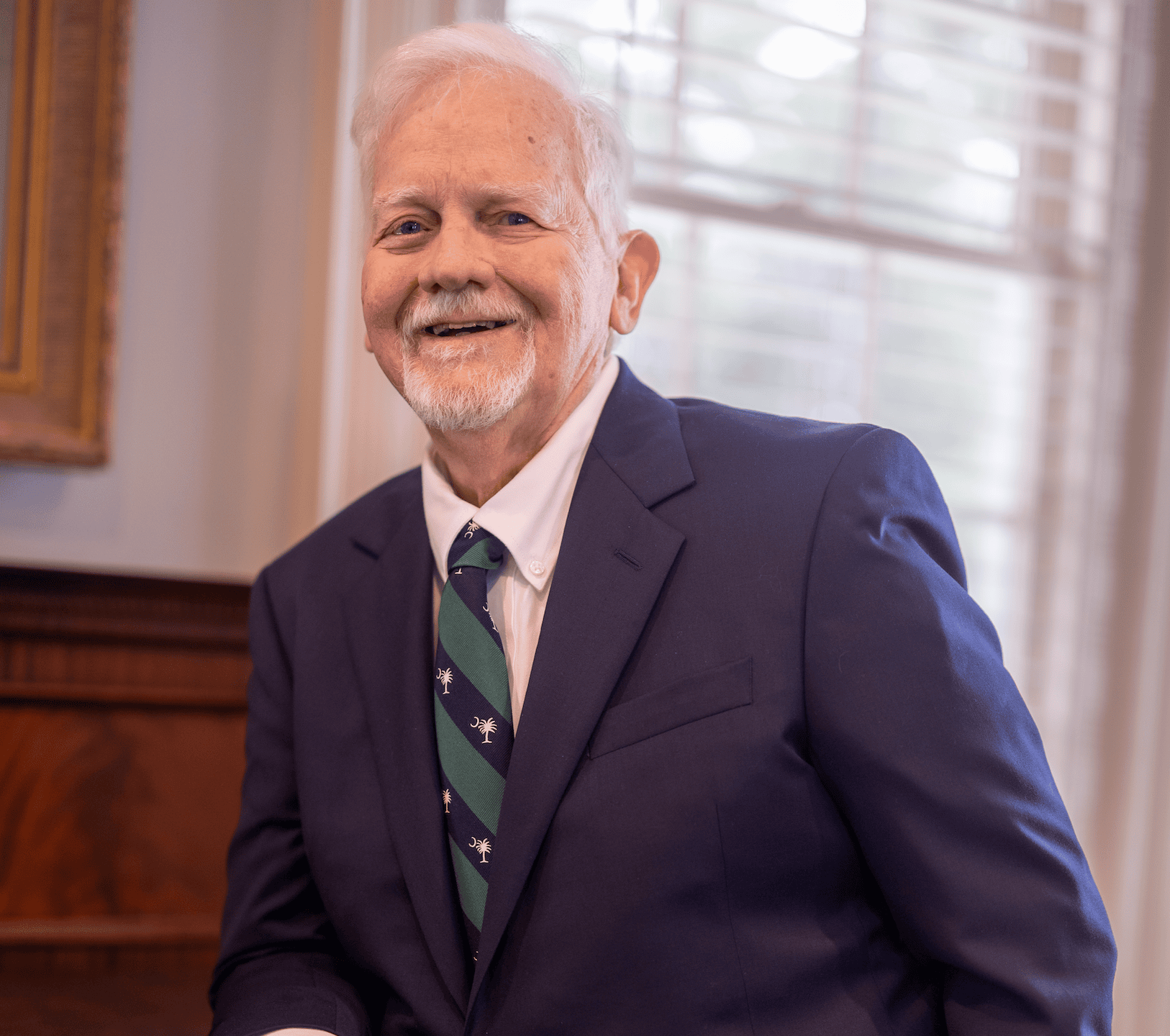
David Buckman
August 26, 2025

Dean shares his vision for the School of Education: Blending Purpose, Passion, and Progress

Just a little more than a month into his position as Dean of the School of Education, Dr. David Buckman has extensive plans to expand opportunity, strengthen partnerships, and create lasting impact in the lives of educators and students. “Partnerships are a big one,” Buckman said. “Being visible and engaged with local school districts like Aiken, Edgefield, Barnwell, and Saluda. We want USCA to be the go-to institution for these communities.” Before the titles and accolades, Buckman’s journey began in Johnston, South Carolina, a small town where he first discovered his love for sports, leadership, and community. A graduate of Strom Thurmond High School, he was active in marching band, football, and student government, serving as vice president of the student body. These early experiences helped shape his desire to work with others and inspired his interest in coaching and education. “I was always around coaches, in the weight room, on the field,” he recalls. “Those were some of the happiest moments for me, and I realized I wanted to be in that environment long term.” Although Dr. Buckman didn’t come from a family of educators, it was his mother’s advice, with her background in the business world, that opened his eyes to the possibilities of a career in education. “She talked about job security, the quality of life, and the impact you could make. That conversation really stuck with me,” he said. With a strong sense of direction, Buckman went on to earn his bachelor's degree in physical education from the University of South Carolina. While in college, he stayed deeply involved, most notably as a cheerleader for four years. Between football games, basketball season, pep rallies, and statewide events like Augusta’s Border Bash, cheerleading became his full-time extracurricular commitment. “I think cheerleading helped structure my time the way sports did in high school,” he said. “It kept me focused and accountable.” After graduation, he began his career as a middle school P.E. teacher in Spartanburg, South Carolina, where he taught for five years while also earning his master’s and specialist degrees in Educational Leadership. That experience laid the foundation for what would became an upward trajectory in education, ultimately leading him to pursue and complete a Ph.D. in Educational Administration, a decision made possible by a full scholarship from the Southern Regional Education Board. Dr. Buckman has since served in several roles across higher education: assistant professor at DePaul University in Chicago, tenured associate professor and department chair at Kennesaw State University in Georgia, and associate dean at Augusta University. He also led at the University of West Georgia in launching Georgia’s BEST, a program connecting school districts with graduate funding opportunities for educators. Looking ahead: A bold vision for the School of Education Now, as Dean of the School of Education, Buckman is focusing on meeting today’s educational challenges with proactive, student-centered solutions. One of his top priorities is expanding graduate-level offerings, especially programs that provide initial teacher certification for non-traditional students, those entering the profession after earning a degree in another field. “Nationwide, fewer students are entering teacher education programs right out of high school,” he explained. “Instead, we’re seeing more career changes, people who want to teach but need flexible, graduate-level pathways to do so. That’s where we need to grow.” Currently, the School of Education offers graduate programs focused on teacher leadership and school administration. Buckman aims to add programs that allow students to earn initial certification through master’s degrees, making USCA a more accessible and responsive institution for aspiring educators. In addition to program expansion, Buckman is committed to strengthening community partnerships, especially with local school districts in Aiken, Edgefield, Barnwell, and Saluda Counties. He believes the School of Education should be a visible, trusted resource for the region’s educators and schools. “I want us to be the go-to institution for professional development, collaboration, and teacher preparation,” he said. “That requires being present, listening to district needs, and building sustainable partnerships.” To that end, he has already begun engaging with the Success Team, Teaching Fellows, and Teacher Cadets, while fielding invitations to join advisory boards and support local education efforts. His approach is twofold: prioritize internal stability while strategically growing external impact. A leader with heart and focus Despite his growing responsibilities, Buckman remains grounded in the values that brought him into education: connection, structure, and service. He continues to stay active through reading and fitness, two hobbies that help him stay balanced in an increasingly screen-driven world. “Reading has become a way to stay focused and reduce anxiety,” he said. “It’s hard to multitask while reading a book it keeps you in the moment.” Currently, he’s been exploring works by W.E.B. Du Bois, Booker T. Washington, and other thought leaders related to history and social progress, which aligns with his passion for education and community development. Looking ahead, Dr. Buckman is excited and humbled by the opportunity to lead. “I see this position as a culmination of everything I’ve worked toward. I’m grateful and excited for what lies ahead, building impact and hopefully a legacy for the School of Education.”
Dr. Robert Alexander became known as the “builder of USCA” due to the tremendous growth of the campus during his tenure.
August 11, 2025

Student Activities Center to honor legacy of Dr. Robert Alexander, former USCA chancellor

On September 5, the University of South Carolina Aiken Student Activities Center (SAC) will be re-named in honor of Chancellor Emeritus Robert Alexander, who served from 1983 to 2000. The selection of the SAC to bear Alexander’s name and honor his legacy is representative of his lifetime commitment to student success and exceptional body of work. Alexander began his career with USC in 1965 as associate chaplain for the Wesley Foundation following an interview with then-President Dr. Tom Jones. He soon became part of the administrative staff, with roles as Director of Volunteer Services, Dean of Student Activities and Dean of Students. He was serving as Vice President for Student Affairs in 1983 when he was directed to build the Aiken campus by the USC Board of Trustees. He became known as the “builder of USCA” due to the tremendous growth of the campus during his tenure. "Dr. Alexander was given the mandate by the USC Board of Trustees to build the Aiken campus, and he did,” says current USCA Chancellor Daniel Heimmermann. “His tenure was marked by unprecedented growth in terms of buildings, new academic programs and accreditations. In fact, most of USCA's current buildings on campus, including nearly all of its academic buildings, were constructed during his administration.”  Reflecting on his success, Alexander credits President Jones for his mentorship, counsel and advice during his years in Columbia and Aiken. “The most important thing that happened to me was meeting Dr. Jones,” he says. “As I was developing as an administrator and faculty member, I knew I could ask for his counsel, and I would receive advice that was designed to help me grow as a human being, a staff member and later as a chancellor. I owe him so much. I can’t take the credit without giving him the credit.”  One of Alexander’s first challenges at USCA was raisings funds necessary to complete the building of the Etherredge Center for the Fine and Performing Arts. At that time, funds for the project were frozen in a legislative bond bill, and money donated thus far was not adequate to complete the building as designed. In his efforts to generate support through meetings with local governments and industry leaders, Alexander missed dinner with his family his first 50 nights as chancellor. When the building was finally completed in 1986, the university celebrated its opening with a performance by Metropolitan Opera star Roberta Peters. Other notable building accomplishments during Alexander’s term include the addition of the Gregg-Graniteville Library, doubling the facility’s size, the opening of Pacer Downs, making USCA the first campus outside of Columbia to have student housing; completion of the Sciences, Business, Nursing and Education buildings and The Children’s Center; gifting of the historic Pickens-Salley House, now the Alumni House; and the addition of the Natatorium to the SAC. In addition, the Ruth Patrick Science Education Center was expanded by 30,000 square feet, offering programs and STEM education to students throughout South Carolina and Georgia. Under Alexander’s leadership, the USCA campus expanded by 400 acres through a donation from the Gregg-Graniteville Company, and undergraduate enrollment grew by 70 percent. This substantial growth was the result of Alexander’s legislative acumen and persuasive persistence, which he used to build community partnerships and industry support.  “I first met Bob when he was one of my 'co-bosses' at USC Columbia,” says Tom Hallman, USCA Chancellor from 2000 to 2012. “He and I became very close, and when he got the job as chancellor at USCA, I was fortunate enough to follow shortly thereafter. In his years on the Columbia campus, Bob was steeped in the value of a statewide system of higher education institutions, so this job was perfect for him. He made significant investments in the campus physical plant with his ability to leverage capital funding, and he understood the importance of faculty governance in a successful university.”  Alexander says it all goes back to his lessons from President Jones. “Tom Jones nurtured me and taught me that you have to build partnerships and help people understand that the institution is here for the benefit of the students and the community,” he says. “I found people who understood that and believed in me and helped me. They were willing to be a partner in the development of the university.”  Alexander’s wife Leslie, son Robert, and daughter Lara likewise became immersed in public education and the Aiken community during this time. Leslie, a well-known local artist, served as an art teacher in the Aiken County Public School District, Robert is Content Development Operations Manager at Hawkes Learning in Charleston, and Lara is an award-winning special needs kindergarten teacher in Athens, Georgia. “They understand what it means to commit and be a part of it because they lived their life that way,” Alexander says. Alexander is also responsible for strengthening the academic brand of USCA. Prior to his tenure, no professional program was accredited, but they progressed dramatically under his leadership. In 1994, USCA offered its first master’s degree, in elementary education, with the second, the Master of Science in Applied Clinical Psychology, to follow in 1998. In 1999, USCA was listed in U.S. News & World Report's College Guide as a top three public liberal arts college in the Southeast. “Most of the buildings presently on the USCA campus and the many academic programs currently being offered are the result of Dr. Alexander’s vision and hard work,” says Tim Simmons, member and former chair of the Aiken County Higher Education Commission. “Dr. Alexander was always concerned first and foremost about the welfare of USCA students, and he constantly ensured that their needs were being met.” Other academic milestones include the addition of the Lifelong Learning Center in 1990, with USCA one of the first universities to offer continued education to adult learners. Alexander hired Jeff Priest in 1991 to direct the new Ruth Patrick Science Education Center. The STEM engagement for K-12 students that began with Priest has exploded to a yearly rate of 70,000 to 80,000 students under today’s leadership of Gary Senn. Alexander also recruited Kimberly Wood Woeber to create the Exercise Science program, which has received national attention and led to the 1994 establishment of the Aiken Cardiac Rehabilitation program in conjunction with the Aiken Regional Medical Centers.  In 1997, Livio Valentini, a renowned painter and sculptor from Orvieto, Italy, displayed his first international exhibition at USCA, leading to an international study abroad program that still exists at the university. Livio returned to campus on a number of occasions as a visiting artist in residence and in 1999 was commissioned to create “Galassia,” which currently hangs in the Etherredge Center. Alexander also emphasized the need for small, personalized classes, which continues to be a hallmark of the university today. He believes that personal relationships between faculty and students, with an emphasis on teaching, sets USCA apart from other institutions.   “Quality education is central to the success of USCA,” Alexander says. “I committed that we would have small classes where faculty and students could interact, with emphasis on teaching and not research. Research was valued, but in such a way that faculty and students worked together with students having access and involvement. That is critical to what the university is about.”  The academic excellence and physical expansion resulting from Alexander’s 17 years as chancellor branded the university as a comprehensive higher education institution. Renaming the SAC to The Dr. Robert Alexander Student Activities Center in his honor is a fitting representation of his dedication to students throughout his career. “It is difficult to believe that the sheer volume of accomplishments during one chancellorship will ever be, indeed could ever be, replicated in our current or future times. This honor is most deserving,” Heimmermann says.  In retirement, Alexander continues to use his talents in support of the Aiken community, serving on the Security Federal Bank Board of Directors and the Western SC Economic Development Board of Directors. He also enjoys spending quality time with his beloved children and five grandchildren, taking the entire crew on a trip to Disney World and purchasing a vacation home on James Island minutes from his son’s home. The family will be alongside him September 5 as the SAC is named in his honor. The renaming of this facility—the hub of students, faculty and staff—is his “greatest gift.” “It’s the most wonderful thing that has ever happened to me in my career,” Alexander says. “I have loved what I have done, both in Columbia working with a man I admired so much, and then during my 17 years in Aiken. This means more to me than anything you could do, and I can’t thank Dr. Heimmermann enough. It’s the greatest gift I’ve ever had in any form.” The dedication for Dr. Robert Alexander will take place on Friday, Sept. 5 at 10 a.m. Individuals interested in attending the event should RSVP no later than Aug. 28 by clicking the link here.
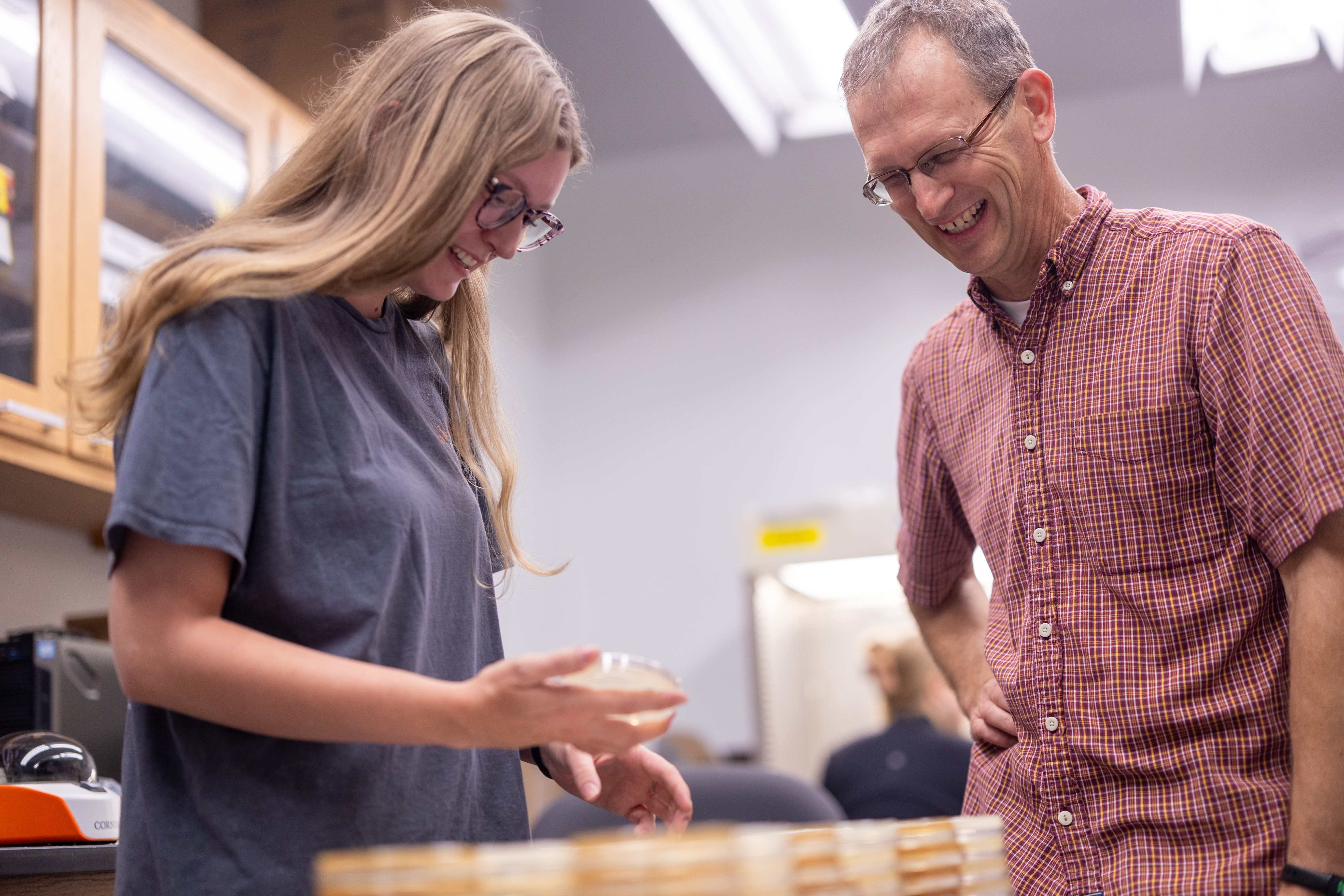
Gabby Peak, a senior biology major at USCA, says her time in Hancock's lab has been an eye-opening experience.
July 29, 2025

Hancock Lab awarded major grant for scientific research and student engagement

The Hancock Lab in the University of South Carolina Aiken’s College of Sciences and Engineering has received a significant boost in research funding to support lab work and student training in cutting-edge plant biotechnology. Awarded by the National Science Foundation, the grant will provide $451,139 over three years to advance research in plant genome engineering. The goal is to develop innovative tools that can be leveraged to create improved rice, soybean and maize. “The main goal of the project is to create tools that help develop better crop varieties,” said Dr. Nathan Hancock, professor of biology at USCA. “This technology could benefit agriculture by producing DNA modification to plants without using foreign DNA.” The funding will directly support lab research, the purchase of essential materials, and the hiring of undergraduate and post-baccalaureate students for hands-on experience. “We plan to bring on post-baccalaureate students for year-long lab positions to help prepare them for real-world scientific careers,” Hancock said. “The most important part of this grant is training the next generation of scientists.” For decades, crop improvement relied heavily on traditional plant breeding to enhance traits like disease resistance. More recently, transgenic methods, where DNA from other species is inserted into crops, have led to major advances, such as pest- and herbicide-resistant corn and soybeans. These technologies have significantly increased agricultural productivity in the U.S. However, developing transgenic crops is costly, time-consuming, and heavily regulated. The approval process can take nearly a decade, and there is ongoing public concern around genetically modified organisms (GMOs), particularly those involving foreign DNA. To address these challenges, Dr. Hancock and his collaborator, Dr. Keith Slotkin, professor of biological sciences at the Donald Danforth Plant Sciences Center, are pursuing an intragenic approach. Instead of adding genes from other species, they modify or combine existing DNA elements from within the same plant species. This approach retains the benefits of genetic modification while minimizing regulatory hurdles and increasing public acceptance. “That means we can get better crops to farmers faster, strengthening food security and supporting the bioeconomy,” Hancock explained. The project is already having an impact on students. Gabby Peak, a senior biology major at USCA, has been working in the lab and says the experience has been both valuable and inspiring. “It’s been easy to pick up because everyone in the lab is so helpful, and the techniques aren’t too hard to understand,” Peak said. “As long as you have some guidance, it’s actually fun to learn.” She added that the hands-on experience has deepened her interest in research and will help prepare her for future lab-based work in the sciences. ust last year, Hancock coauthored a paper published in Nature titled “Transposase-assisted target-site integration for efficient plant genome engineering.” Nature is one of the oldest and most prestigious scientific journals publishing the world’s most impactful scientific research.
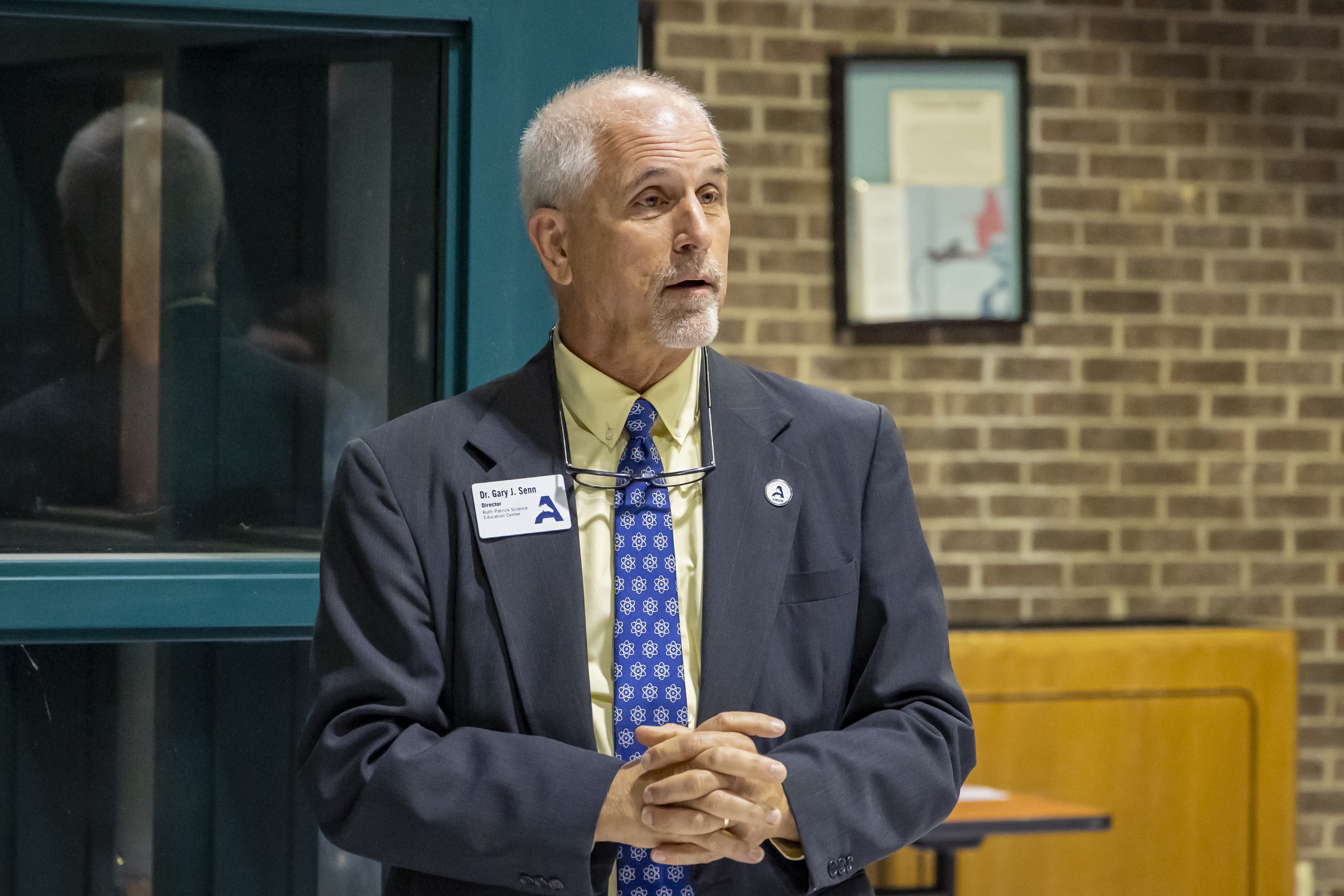
Dr. Gary Senn, director of the Ruth Patrick Science Education Center, joined Morning Mix to discuss recent events and the ongoing mission of the Center.
July 28, 2025

Director of Ruth Patrick Science Center featured on Morning Mix

We’re excited to share that Dr. Gary Senn recently appeared on Morning Mix to highlight the latest happenings at the Ruth Patrick Science Education Center! Dedicated to inspiring a lifelong love of STEM—Science, Technology, Engineering, and Mathematics—the Center’s innovative programs aim to spark curiosity, challenge conventional thinking, and create lasting impact in science, math, technology, and environmental education. Through hands-on learning, the Center helps people experience the wonder, structure, and excitement of scientific discovery. Click here to watch the full interview now
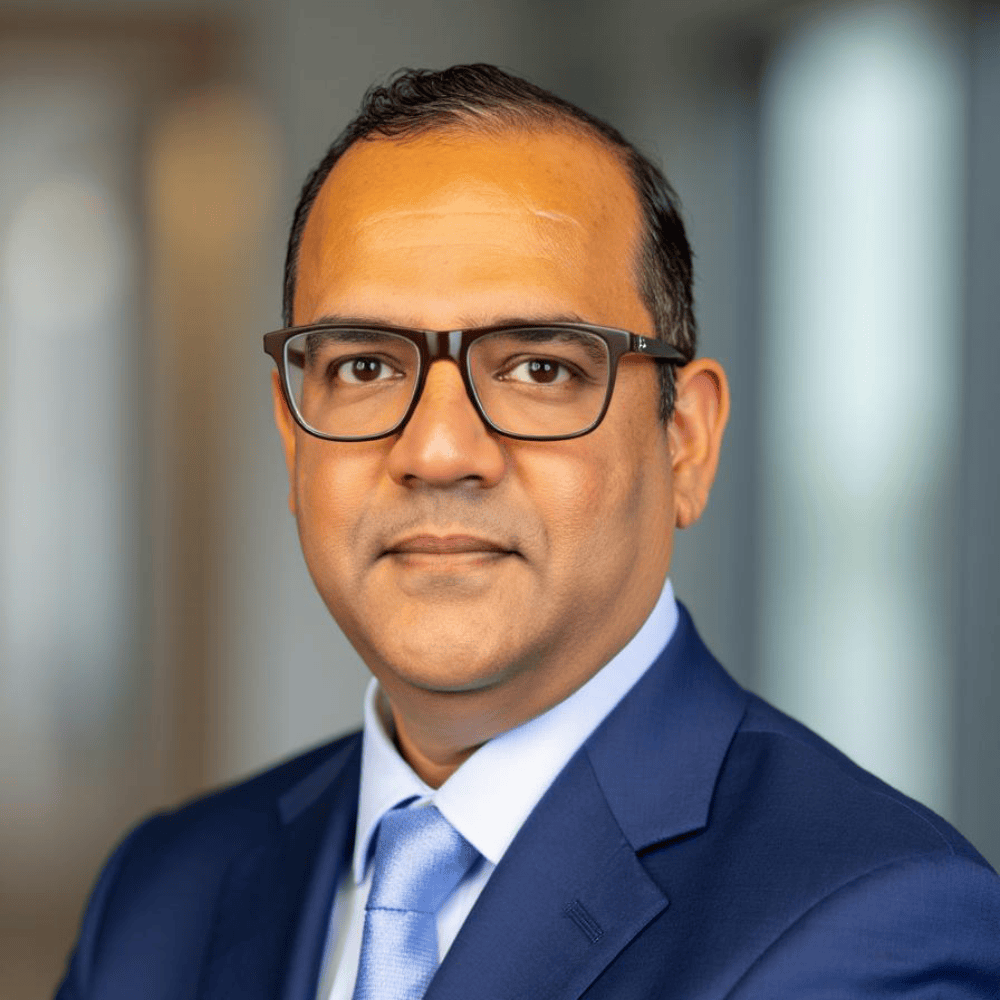
Ravi Narayanaswamy
June 3, 2025

Narayanaswamy named School of Business Administration dean

Dr. Ravi Narayanaswamy has been named dean of the University of South Carolina Aiken’s School of Business Administration, effective July 1. Currently serving as director of graduate programs and a tenured full professor, Narayanaswamy has been instrumental in aligning academic innovation with real-world market demands. “To truly innovate, academia must cultivate groundbreaking ideas and diligently bridge the chasm between theoretical brilliance and the tangible demands of the real-world market, transforming knowledge into impactful solutions,” Narayanaswamy said.  A pioneer in curriculum development, he’s led the design and redesign of more than 20 courses and introduced high-impact micro-credential programs in areas such as Microsoft, project management, entrepreneurship, and personal money management.  Narayanaswamy has secured multiple research grants totaling over $110,000 to support impactful studies across digital commerce, privacy, and economic development.  Most recently, he served as a lead researcher on a $100,000-funded project examining the economic impact of the Savannah River Nuclear Laboratory. He has also mentored several undergraduate research projects funded through competitive Magellan Scholarships, exploring topics such as customer service in e-commerce, bug bounty programs, and online privacy. As a USCA’s Dean’s Council and Strategic Planning Committee member, he has established essential industry partnerships, most notably with Automatic Data Processing, Inc. (ADP), to integrate practical training into Human Resources courses and cultivated an entrepreneurial mindset among students. These collaborations have secured $30,000 in funding for student scholarships. “We look forward to Ravi's leadership of the School of Business Administration,” said USCA Provost and Executive Vice Chancellor of Academic Affairs Dr. Phil Bridgmon. “During the search process, he presented a clear vision for the SOBA that includes a focus on preparing students as professionals and entrepreneurs. He has been a leader in expanding access to our programs and outreach to the CSRA. His commitment to shared governance and partnerships fit very well with our university values. We are grateful he is willing to step into this leadership role during an exciting time for USCA and SOBA.”  Narayanaswamy earned a meritorious ranking for 15 consecutive years and several accolades for his outstanding service to the School of Business Administration and achievements in scholarship.  As chair of numerous university committees, including Courses and Curriculum, Promotion and Tenure, and Faculty Governance, Narayanaswamy has digitized faculty evaluations and championed technological advancement across campus. He also developed a structured funding process to support faculty scholarship while playing a pivotal role in establishing virtual machine computer labs and enhancing instructional technology.  Narayanaswamy holds a doctorate in management from Clemson University and advanced degrees from Kennesaw State University and Ohio University. He has an extensive research portfolio spanning topics in electronic marketing, digital retail strategy, information systems, and higher education.
USCA Associate Professors Deborah Harmon (left) and Todd Hagstette (right) were recently approved for nearly $14,000 in funding to support the development of research opportunities for students in multiple academic disciplines from the Porter Fleming Fund.
May 16, 2025

Professors Hagstette and Harmon receive grant in support of Gregg-Graniteville Archive project

Professors from the University of South Carolina Aiken have received a grant from the Porter Fleming Fund to support an initiative to transcribe and digitize the contents of the Gregg-Graniteville Library’s Archive. The award will create research opportunities for students across various disciplines and further the university’s efforts to preserve this important library collection. The Porter Fleming Fund was established in 1963 by Augusta author and artist Berry Fleming in honor of his father. The fund provides grants for educational, literary, artistic, scientific, historical, musical, and cultural initiatives in Augusta and neighboring counties. The nearly $14,000 grant was awarded to Associate Professors Todd Hagstette and Deborah Harmon. It will be used to enable electronic access to the Gregg-Graniteville Archive for scholars and the greater community. The award will fund a large-scale digital humanities curation project, which includes digitization of archival resources, composition of metadata, transcription of manuscript materials, optical character recognition (OCR) work for printed materials, and development of other scholarly apparatus for the collection. It will also support hardware and software updates, promotion and marketing, and front-end website development for the project. “Deborah had the idea about taking these holdings, which are in manuscript form, and digitizing them for use outside of the walls of this library,” Hagstette says. “It’s an act of preservation, but also an opportunity for student experience, further scholarship on the Gregg family, and for our region to have greater access.” The Gregg-Graniteville Archive houses the documents and memorabilia of the Graniteville Company, a Southern textile manufacturing firm founded in 1845 by William Gregg, known as the “Father of the Southern Textile Industry.” In the 1970s, the company and the Gregg-Graniteville Foundation donated funds for the construction of the library, the largest library donation in South Carolina at that time, as well as the archives collection itself. “The university was fortunate to receive the donation for the building of the library, and we have been the caretakers of these artifacts ever since,” Harmon says. “Now we have a great opportunity to share them with the community and also give students firsthand knowledge about transcribing documents that have not been transcribed before.” The archive holds 130 linear feet of records, which include correspondence, personal diaries, hand-entered time books, annual reports, handmade company scrapbooks, and historical photographs. Work on digitizing the collection is expected to begin during the Fall 2026 semester. Hagstette and Harmon will train three students on safe handling of historical documents, digitization and file management, and best practices in metadata. There will be an application process for the positions, which will be open to students of any discipline who have an interest in humanities and technology and an enthusiasm for historical discovery. Selected students will gain valuable training as content developers in addition to a scholarship in local history. “The transcription piece is exciting because it breaks down one of the largest barriers to access. Having electronic access to these documents opens up a world of research on this topic,” Hagstette says. “We are thankful to the Porter Fleming Fund for seeing the value in what we want to do and helping make these opportunities possible.”

I truly enjoyed attending events at the Callen Center—it gave me a chance to connect with faculty from across campus in a meaningful way. It was a welcoming space to share ideas, learn from others, and have my voice heard. The snacks and drinks were just an added bonus to an already enriching experience.

Mary Keigans School of Nursing
Location
B&E 251
Mailbox
31